
Security at runtime, with observability context
Prioritize vulnerabilities by actual risk, detect and block attacks in real time, without additional agents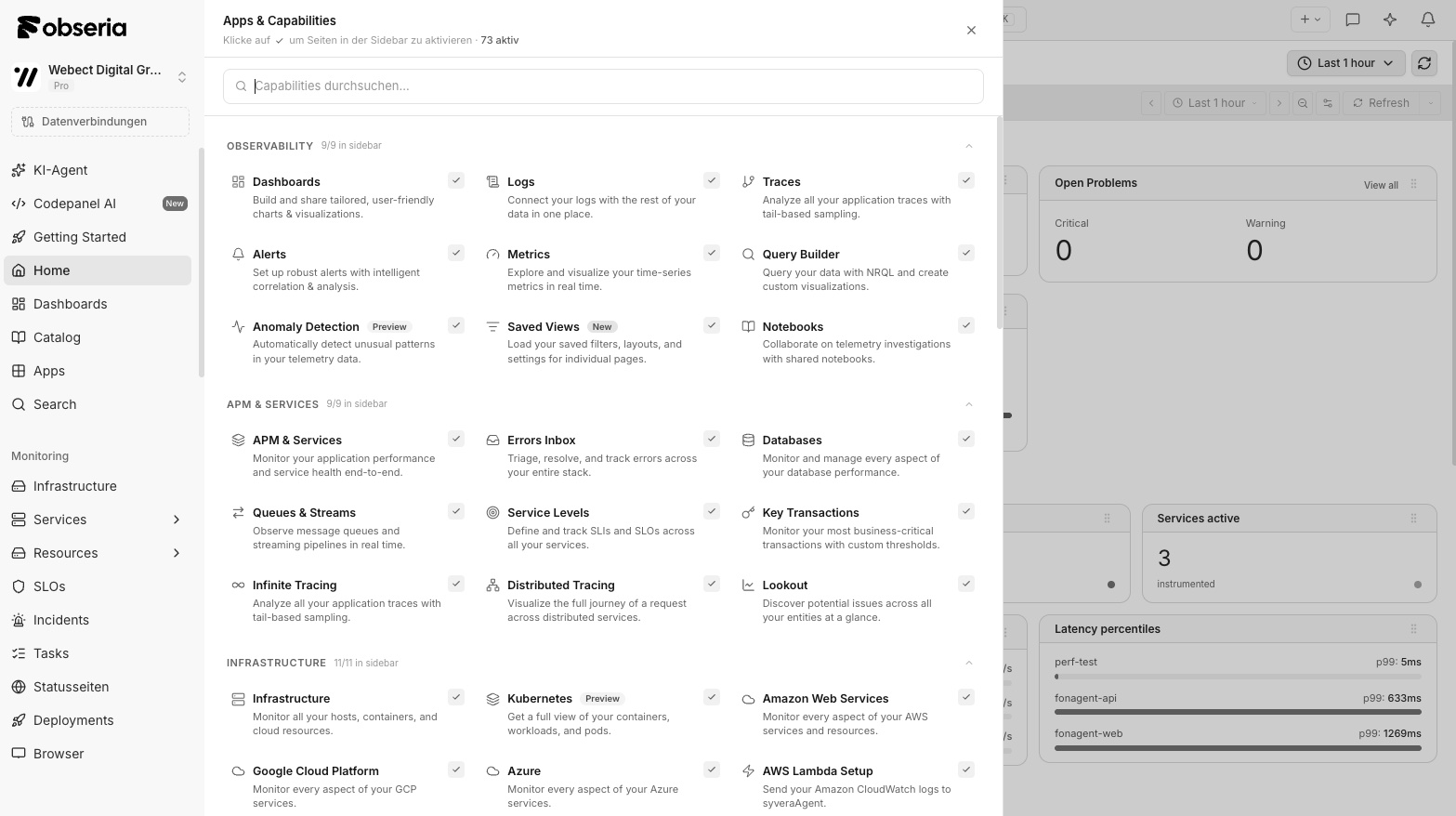
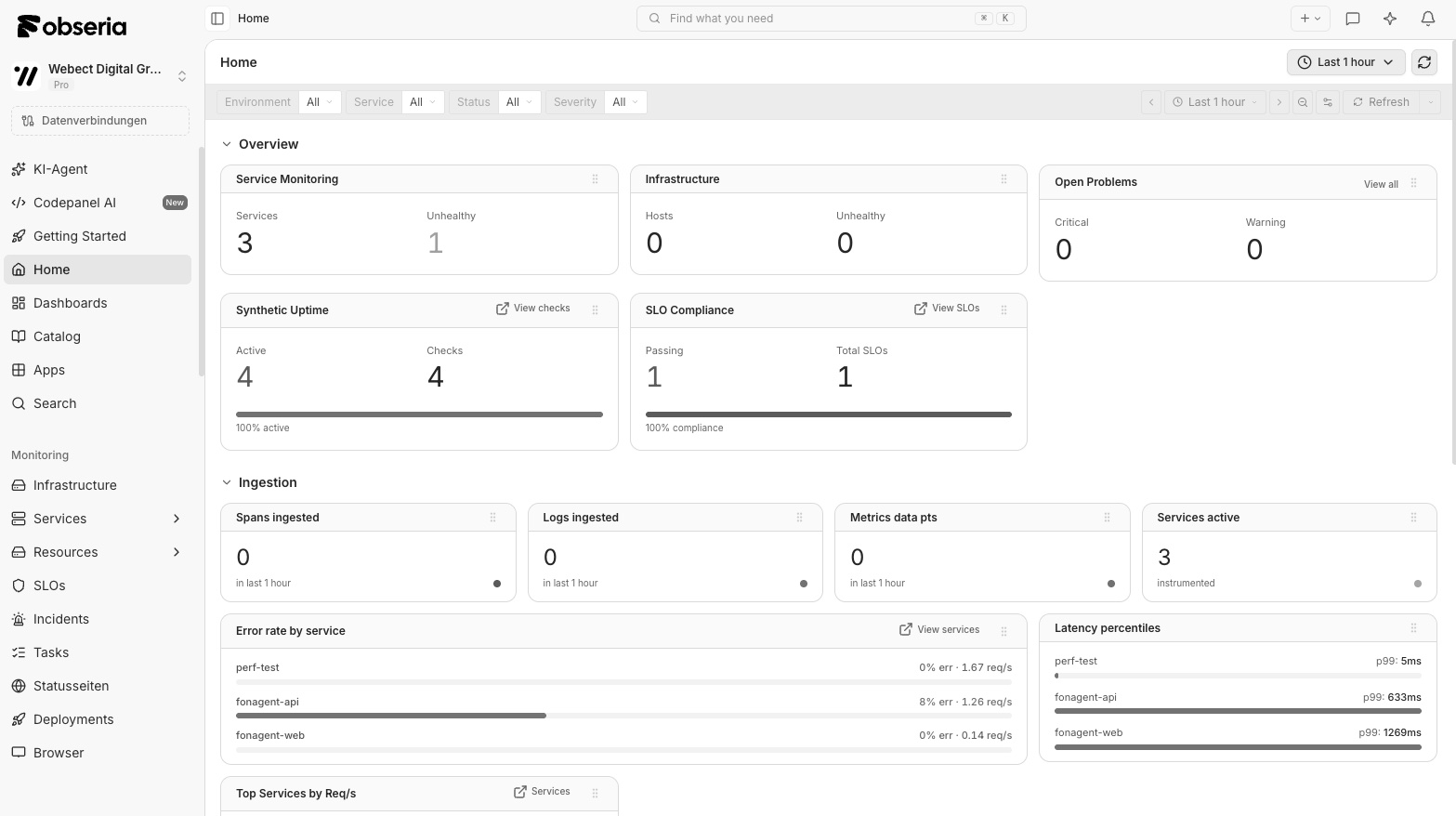














How CISOs are rethinking security operations
Observability and security on one data foundation: lessons from banks and government.
Watch nowFewer false positives, more real security
Obseria scores vulnerabilities with runtime data: Is the library loaded? Is the process reachable? Is there sensitive data?Runtime vulnerability analytics
Detect vulnerabilities in libraries, containers and runtimes and prioritize them by exposure, data access and reachability. Instead of 10,000 CVEs, the 12 that matter.
Detect and block attacks
Detect SQL injection, command injection, SSRF and prompt injection at runtime and optionally block them automatically, with a full trace of the attack.
Threat observability
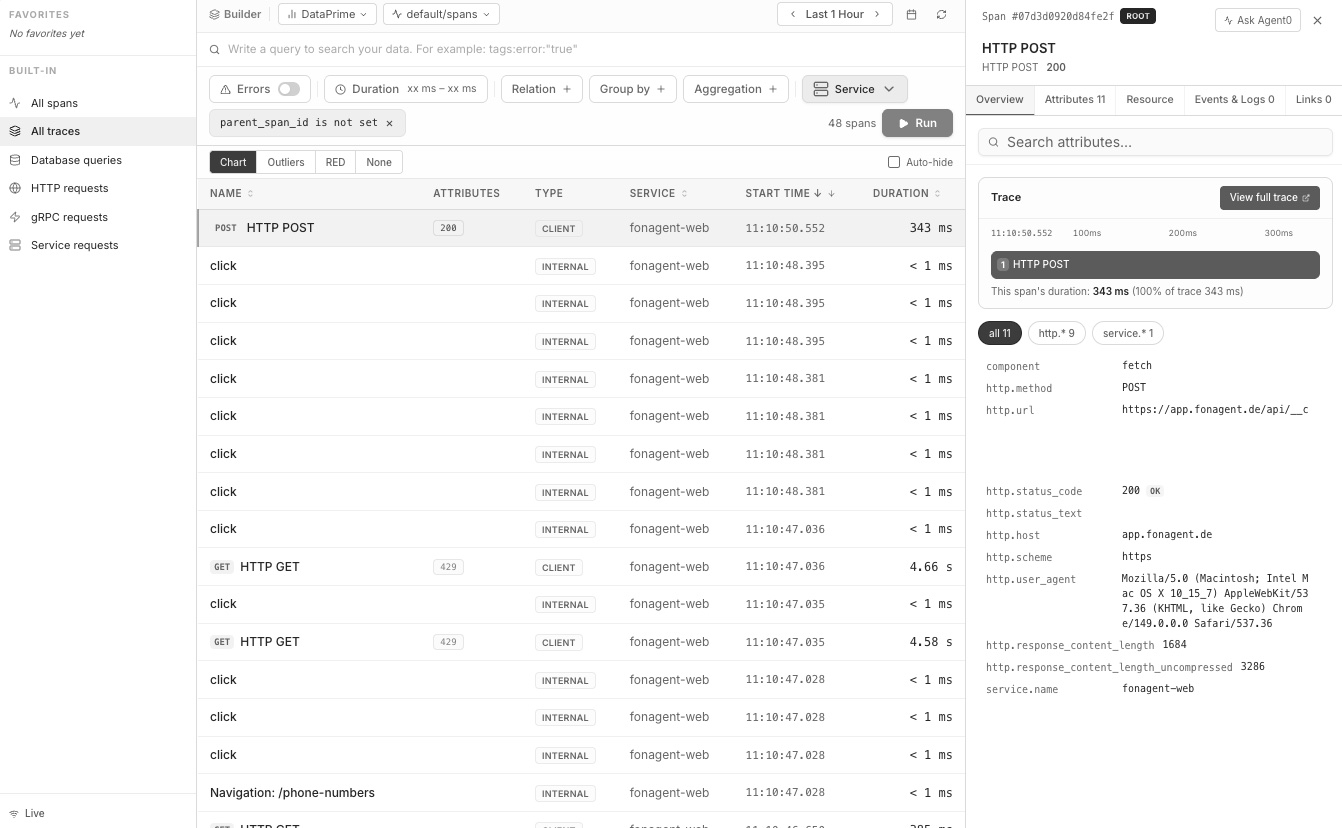
Analyze audit logs, cloud events and network data in Obseria Lake. Detection rules as code, investigations with OQL in seconds.
95% fewer CVEs to review
Helios Bank prioritizes vulnerabilities by runtime risk instead of CVSS score.
Read the Helios story17 attacks blocked per day
Cobalt Insurance stops injection attempts automatically in production.
Read the Cobalt story1 agent for observability and security
Granit Public eliminated three security agents per host.
Read the Granit story< 1 h response time for zero-days
Orbit Telecom identified all processes affected by a Log4Shell variant in minutes.
Read the Orbit storyEmpower your business with AI-driven observability
Harness trusted answers instead of alert floods, for measurable business outcomes at scale
Explore the Obseria approachFrom signal to answer in three steps
- Step 1
Activate in the agent
Security analysis runs in the existing Obseria Agent, with no extra installation per host.
- Step 2
Prioritize by real risk
Vulnerabilities are scored by whether code is loaded, reachable from the internet and touching sensitive data.
- Step 3
Block and remediate
Attacks are detected in the code path and blocked on demand. Findings route to the teams that own the code.
What's included
- Runtime vulnerability analytics
- SQLi, command injection and SSRF protection
- Exposure and reachability scoring
- Container and library SBOM visibility
- Threat detection rules as code
- Release gates for critical findings
Products for secure applications
Runtime Vulnerability Analytics
Prioritize vulnerabilities with runtime context.
Runtime Application Protection
Detect and block attacks at runtime.
Threat Observability
Security analytics across logs, events and network data.
AI Observability
Detect prompt injections and data exfiltration in AI applications.
Automation
Route security findings automatically to Jira, ServiceNow and Slack.
Security and Trust
Obseria's certifications, data residency and compliance.
Security use cases with Obseria
Fix the right vulnerabilities first
Obseria detects vulnerabilities in Java, .NET, Node.js, Python, Go and containers and scores them by exposure, data access and reachability. Teams fix what is actually exploitable first.
Runtime Vulnerability AnalyticsStop injection attacks in real time
Attacks are detected in the code path, not at the perimeter. Every attack appears as a trace with payload, target and impact. Blocking can be enabled per application.
Runtime Application ProtectionIntegrate security into the release pipeline
Findings are mapped to pull requests, deployments and teams. Policies prevent releases with critical, exposed vulnerabilities.
DevSecOps solutionDetect threats in logs and events
Detection rules as code across audit logs, cloud trails and network flows. Investigations with OQL across months of data in seconds.
Threat Observability


Leading organizations that run on Application Security
Get started with Application Security training and documentation
Application Security FAQ
Scanners find vulnerabilities in images and repositories but do not know whether the code runs in production, is reachable or processes sensitive data. Obseria scores at runtime and reduces the list to actual risk.
No. The Obseria Agent delivers observability and security data at the same time. Teams using OpenTelemetry only get threat observability via logs and events.
Yes, optionally per application and attack type. Detection runs in monitor mode by default so teams build confidence before blocking.
ISO 27001, SOC 2 Type II, GDPR, BSI C5 and DORA-relevant evidence. Details on the Security and Trust page.
Ready for observability that delivers answers?
Take the first steps toward reliable operations